
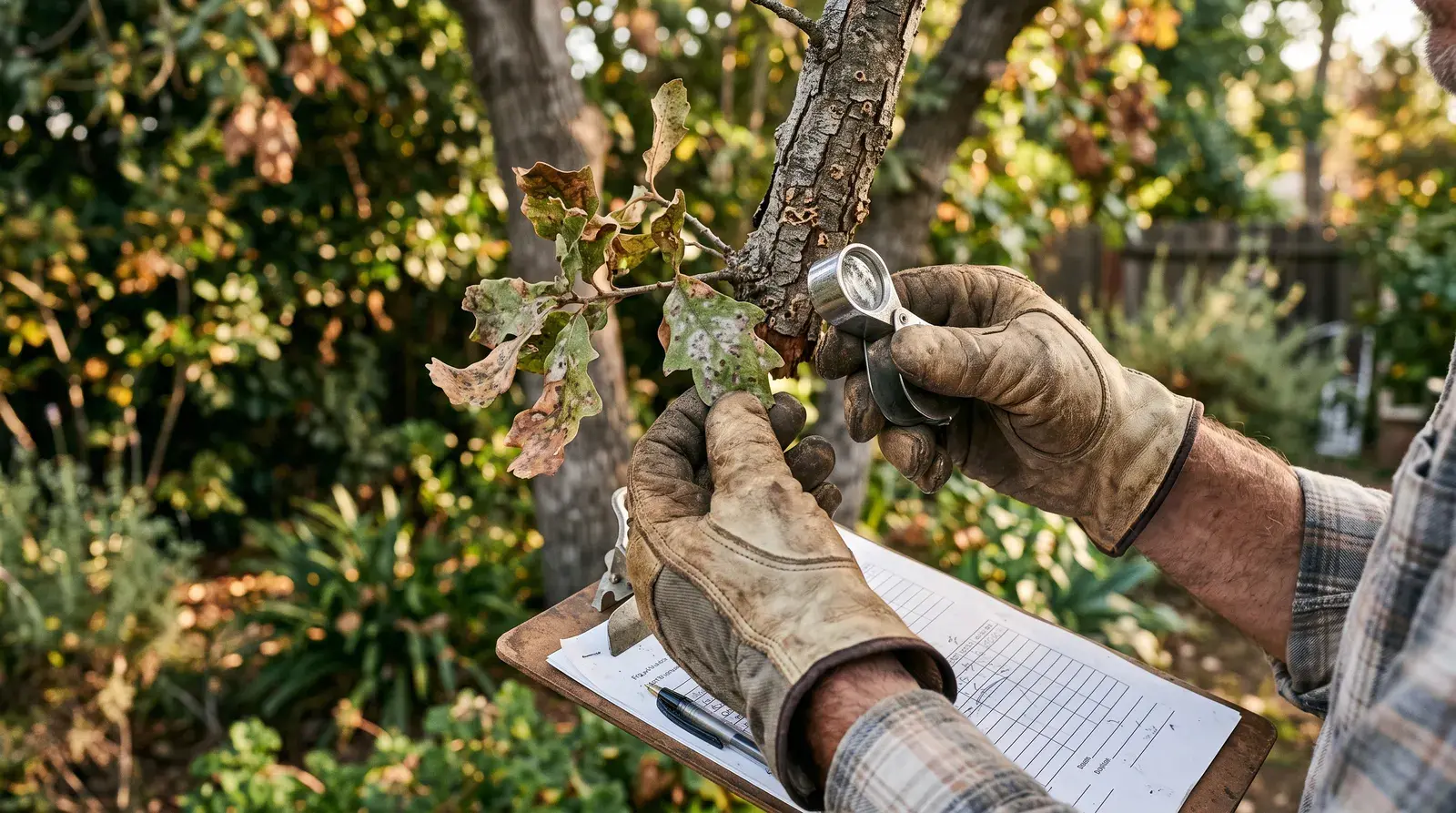
When You Need an Arborist Report
You need one when a government agency, lender, buyer, or attorney wants a documented professional opinion about a tree. In the Sacramento region that usually means a protected-tree removal permit, a development application, a real estate transaction, or a neighbor dispute.
- Removal permits — protected trees (Heritage Trees, City trees, native oaks) generally can't come down without documented justification
- Development review — projects near protected trees need tree inventories and protection plans before approval
- Real estate — buyers and sellers use condition reports to price in a failing heritage oak or document that a large tree is sound
- Insurance and claims — documenting condition before or after a failure
- Disputes — boundary trees, view conflicts, and root damage claims between neighbors
Sacramento-Area Tree Rules at a Glance
Tree protection is local — the rules change at the city line. The two anchors for most of our service area are the City of Sacramento's Chapter 12.56 and Sacramento County's native oak protections, but every surrounding city runs its own version.
The practical takeaway: if the tree is a native oak, a large mature tree, or anything between the sidewalk and the street, assume it's regulated until you've confirmed otherwise. An assessment visit is the fastest way to sort out which rules apply to your address.
- City of Sacramento — street trees are "City Trees" and Heritage Trees are protected under City Code Chapter 12.56; private protected trees need a city permit before removal. Verify current thresholds at cityofsacramento.gov
- Sacramento County (unincorporated) — the Tree Preservation and Protection Ordinance protects native oaks, including valley oak, interior live oak, and blue oak
- Placer and El Dorado counties — native oak protections apply in many zones, with separate city rules in Roseville, Rocklin, Lincoln, and Folsom
- Every jurisdiction differs — species lists, size thresholds, and exemptions vary, so confirm with the specific city or county before cutting
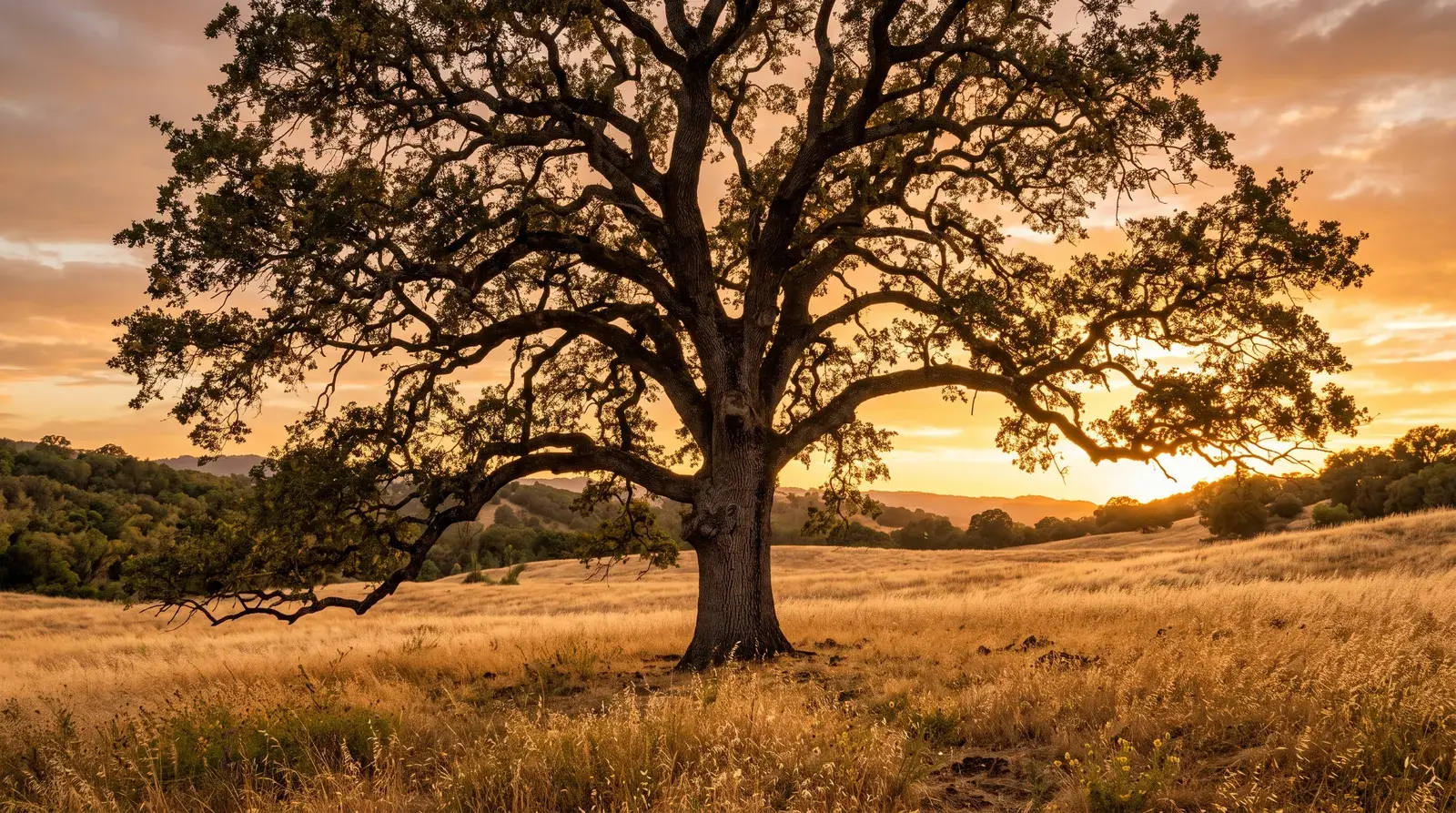
Arborist Reports & Permit Support across Sacramento, Placer, El Dorado, and Yolo counties.
What Goes Into the Report
A defensible report is specific and measurable. Vague statements don't get permits approved — species, dimensions, documented defects, and a clear recommendation with reasoning do.
- Identification — species, location on a site plan, tag or number for multi-tree sites
- Measurements — trunk diameter at standard height (DBH), overall height, canopy spread
- Condition — crown density, dieback, pest and disease signs, trunk decay, root zone issues
- Structure and risk — defects like included bark or cavities, what's in the fall zone, likelihood and consequence of failure
- Recommendation — retain, prune, treat, monitor, or remove, with the reasoning stated plainly
- Photos and attachments — condition photos, site plan, and evaluator qualifications as the jurisdiction requires
Reports for Development and Construction
Construction kills more mature trees in the Sacramento region than storms do — just slowly. Development-phase reports exist to prevent that: they inventory the trees, define protection zones, and set the rules for grading and trenching before equipment shows up.
Root damage from trenching or compaction often takes two to five years to show up as canopy dieback — long after the contractor is gone. A protection plan enforced during construction is far cheaper than removing a declining heritage oak after the house sells.
- Tree inventory — every regulated tree on or overhanging the parcel, mapped and evaluated
- Tree protection zones — fencing distances based on trunk diameter and species sensitivity; native oaks need generous zones
- Construction specs — no grade changes, soil stockpiling, trenching, or equipment parking inside the protection zone
- Root-sensitive alternatives — boring under roots instead of open trenching for utilities
- Mitigation — replacement planting ratios when removals are unavoidable, per the jurisdiction's formula
Need arborist reports & permit support on your property?
Share the address and project details — we'll come back with a scoped, site-specific estimate.
Reports for Real Estate and Disputes
A big tree is either an asset or a liability on a sale, and a written condition report is how you establish which. In disputes, documentation dated before the argument escalates is worth far more than opinions offered after.
- Pre-sale — sellers document that mature trees are sound; buyers price in trees that aren't
- Pre-purchase — a failing valley oak over the roofline is a five-figure line item worth knowing about before close
- Neighbor disputes — California treats trees on the boundary line as jointly owned; condition documentation frames what's reasonable
- Root and limb encroachment — reports document whether trimming to the property line can be done without destabilizing the tree
The same crew from estimate to cleanup.
No juggling separate contractors for one tree. Tell us the address and what you're dealing with, and we'll come back with a written, site-specific number.
- Removal, trimming, stumps, and cleanup handled by one crew
- Free, site-specific estimates — priced to your tree, not a flat rate
- Sacramento, Placer, El Dorado, and Yolo counties
How the Process Works
Straightforward: site visit, evaluation, documentation, then support through the permit or project. For a single-tree removal permit the turnaround is short; multi-tree development reports scale with the site.
If the tree turns out to be exempt — under the size threshold, a non-protected species, or outside a regulated zone — we tell you that too, and you skip the paperwork entirely. Estimates are free and site-specific.
- 1. Site visit — we look at the trees, the targets, and the jurisdiction's rules for your address
- 2. Evaluation — measurements, condition and risk assessment, photos
- 3. Documentation — the written findings and recommendation, formatted for what the city or county expects
- 4. Application support — you know what to submit and what to expect; we flag anything likely to draw questions
- 5. The work — once approved, we handle the removal, pruning, or protection fencing, and any required replacement planting
Related services
Tree Health Assessment
Diagnosing disease, pests, and structural risk — with an honest plan to treat, monitor, or remove.
Oak Tree Care
Specialized care for native valley, blue, and interior live oaks — dry-season pruning and heritage-tree compliance guidance.
Tree Removal
Safe removal of hazardous, dead, or unwanted trees — including permit help, cleanup, and haul-off across the Sacramento region.
Related guides
Do You Need a Permit to Remove a Tree in Sacramento?
Which Sacramento trees need a removal permit, how city and county rules differ, and how to check before the saw comes out.
Sacramento's Heritage Tree Ordinance, Explained
What makes a Sacramento tree a Heritage Tree, what City Code Chapter 12.56 protects, and how to get pruning or removal approved.
Neighbor Tree Disputes in California: Your Rights
Who owns the tree on the fence line, what you can legally trim, and who pays when a neighbor's tree falls — California's general rules, explained.
Before you book arborist reports & permit support
What it runs, where permits bite, and how arborist reports & permit support stacks up against the alternatives.
Oak Tree Care & Trimming Cost in Sacramento (2026)
Regional range $400–$3,500 — and what moves the number on a real job.
Do You Need a Tree Removal Permit in Roseville?
Where Roseville draws the line before a tree comes down, and who to check with.
How Much Does Tree Removal Cost in Sacramento? (2026)
Typical 2026 Sacramento tree removal price ranges by tree size, the factors that move the number, and how to read a quote before you sign it.
Do You Need a Tree Removal Permit in Folsom?
Where Folsom draws the line before a tree comes down, and who to check with.
Want to see what this looks like on a real property? Browse the arborist reports & permit support jobs we take on, or read how our crew scopes and prices work before you call anyone out.
Frequently asked questions
When does Sacramento require an arborist report?
Most often in three cases: applying for a permit to remove or heavily prune a protected tree (Heritage Trees and City street trees in the City of Sacramento, native oaks in unincorporated Sacramento County), development or building projects where grading, trenching, or construction encroaches on protected trees, and disputes where a documented condition assessment carries weight. Requirements vary by jurisdiction — Roseville, Folsom, Elk Grove, and the El Dorado County foothill towns each have their own tree rules — so verify with your specific city or county.
What does an arborist report include?
A typical report identifies each tree by species and location, records trunk diameter (DBH), height, and canopy spread, evaluates health and structural condition, assesses risk to people and property, and states a recommendation — retain, prune, treat, or remove — with the reasoning. Reports tied to construction add tree protection zone dimensions, fencing and mulching specs, and restrictions on grading or trenching inside the root zone. Cities usually want photos, a site plan, and the evaluator's qualifications attached.
Do I need a report to remove a dead tree?
Often yes, if the tree is a protected species or size class. Dead or hazardous condition is usually a valid basis for a removal permit, but the city or county typically wants documentation showing the tree is actually dead or dangerous — that's exactly what the report provides. Skipping the permit on a protected tree, even a dead one, can mean significant fines and required replacement plantings. It's cheaper to document first.
How much does an arborist report cost in the Sacramento area?
Regionally, single-tree reports for a removal permit typically run a few hundred dollars, while multi-tree development reports scale with tree count, site size, and the level of protection planning required — often into the low thousands for larger parcels. The tree inventory work drives most of the cost. We quote report support site-specifically, and the initial estimate visit is free.
Can 916 Trees handle the permit application too?
We support the whole process: assessing the trees, preparing the documentation the application needs, flagging which jurisdiction's rules apply, and coordinating the work once the permit is issued — removal, pruning, or protection fencing. The property owner or developer typically signs and submits the application itself, but you won't be guessing at what the city wants attached to it.